


Slab Subsidence Explained: What Gold Coast Homeowners Need to Know | Gold Coast Building Inspections
Cracks in your walls or doors that won’t close properly? Here’s what slab subsidence actually is, why it happens on the Gold Coast, and what to do about it.
Slab Subsidence Explained: What Gold Coast Homeowners Need to Know
A crack above a doorway. A door that used to close easily and now sticks. A slightly uneven feel to the floor in one corner of the house. On their own, these things can look like nothing more than a house settling in over the years, but sometimes, they’re early signs of something more serious: slab subsidence.
Here’s what it actually is, why it’s a genuine consideration for Gold Coast homes, and what you should do if you spot the signs.
What Is Slab Subsidence?
Slab subsidence is the sinking or downward movement of a concrete slab, usually caused by changes in the soil supporting it. Unlike normal, minor settling, which most homes experience a little of in their first few years, subsidence is ongoing, uneven movement that can worsen over time if the underlying cause isn’t addressed.
It’s different from “heave,” which is the opposite problem: soil expanding and pushing a slab upward. Both fall under the broader umbrella of structural movement, and both can cause similar-looking damage.
Why It Happens on the Gold Coast
Soil movement is the root cause of most slab subsidence, and a few local factors make it a genuine consideration here:
- Reactive clay soils, particularly in parts of the hinterland and older established suburbs, expand when wet and contract when dry — that constant swelling and shrinking puts real stress on a slab over time.
- Heavy seasonal rainfall followed by dry spells creates exactly the wet-dry cycle that reactive soils respond to most.
- Poor drainage around the home — blocked gutters, downpipes discharging too close to the slab, or inadequate stormwater management — can saturate soil unevenly, causing one section of a slab to move more than another.
- Tree roots growing close to a home can draw moisture out of the soil beneath a slab, causing localised drying and shrinkage.
- Older homes with less robust footing systems, built before more recent design standards for reactive soils, can be more susceptible than newer builds with engineered slabs.
Signs to Watch For
Subsidence doesn’t usually appear overnight, it tends to show up gradually, through a combination of small signs:
- Cracking in internal or external walls, especially diagonal cracks running from the corners of doors and windows
- Doors and windows that stick, drag, or no longer close flush in their frames
- Uneven or sloping floors, sometimes only noticeable when you place a level or a ball on the floor
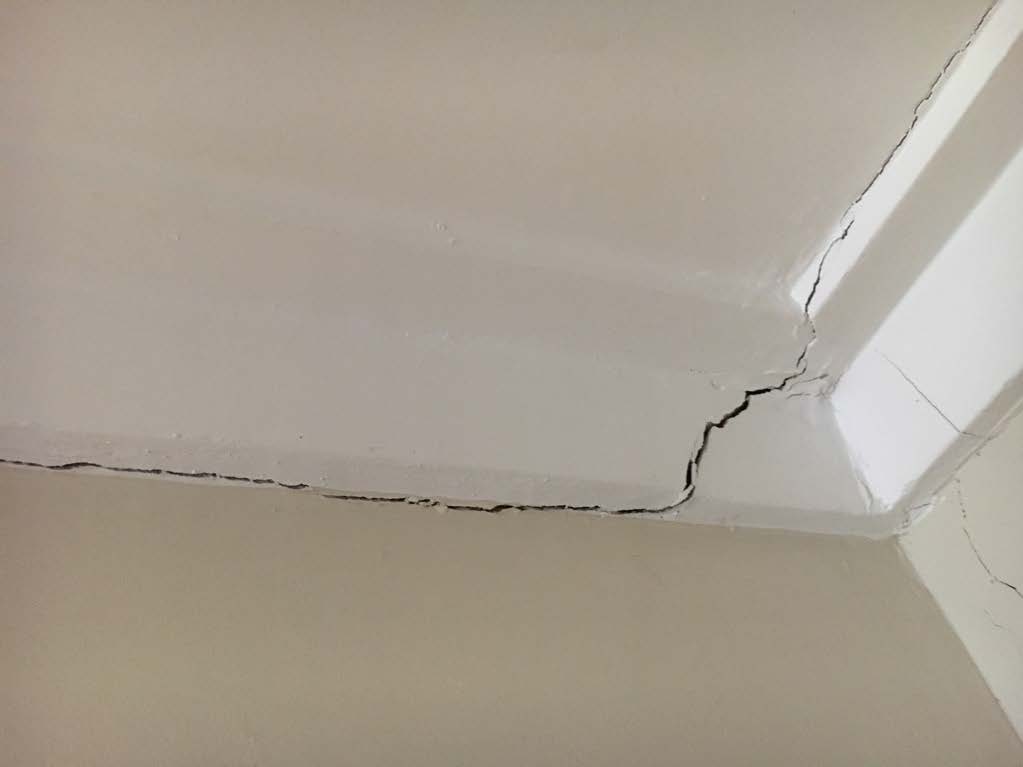
- Gaps appearing between walls and ceilings, or walls and skirting boards
- Cracking in exterior brickwork or render, particularly stepped cracks following the mortar lines
One or two hairline cracks are common in most homes and rarely cause for alarm. But a pattern of multiple signs, or cracks that are widening over time, are worth having properly assessed.
What to Do If You Notice These Signs
If you’re seeing a combination of these signs, the right next step is a proper inspection, not guesswork. A building inspector can assess the extent and pattern of movement and advise whether it looks like normal settling or something that warrants a closer look. In more significant cases, that might mean bringing in a structural engineer to assess the footing system and recommend a course of action.
Traditional underpinning has historically been the go-to fix for subsidence, but it’s not the only option anymore.
Local company, BondTech, specialises in resin injection; a modern, less invasive alternative that lifts and stabilises sunken slabs without excavation, dust, or the extended downtime that comes with traditional underpinning.
The earlier movement is identified, the more options you generally have, and the less expensive those options tend to be.
Why This Matters for Buyers Too
If you’re purchasing a property, subsidence is exactly the kind of issue a building inspection is designed to catch before you’re the one who owns the problem. A trained eye can pick up on early warning signs; the pattern of a crack, the way a door has been planed to fit a sinking frame; that an untrained buyer walking through on inspection day would likely never notice.
The Bottom Line
Slab subsidence isn’t something to panic about at the first hairline crack, but it’s also not something to ignore if the signs start stacking up. Given the Gold Coast’s mix of reactive soils and seasonal rainfall, it’s a genuine local consideration; one best assessed properly rather than guessed at.
If you’re concerned about movement in your own home, or want a property properly checked before you buy, get in touch with Gold Coast Building Inspections. We’ll give you a clear, honest assessment; not a guess. And if repair work is needed, local company BondTech can help you fix it, with resin injection technology that’s faster and less disruptive than traditional methods.


